

Geometry has always carried a strange mix of logic and beauty. Lines meet, angles open, shapes breathe meaning into space. Many students feel confuse when they first approach it, yet the moment a concept suddenly clicks, there is a quiet satisfaction that few subjects give. We have guided hundreds of learners through difficult geometry stages, and one thing become clear: the right method makes the subject far less intimidating.
The framework known as geometry learn v3 helps students move quicker from confusion to clarity. It blends visual thinking, structured practice, and conceptual reasoning so ideas stay longer in memory. Below we present seven proven strategies that help learners progress faster with geometry learn v3 while building strong mathematical intuition.
1. Build Visual Thinking Before Memorization
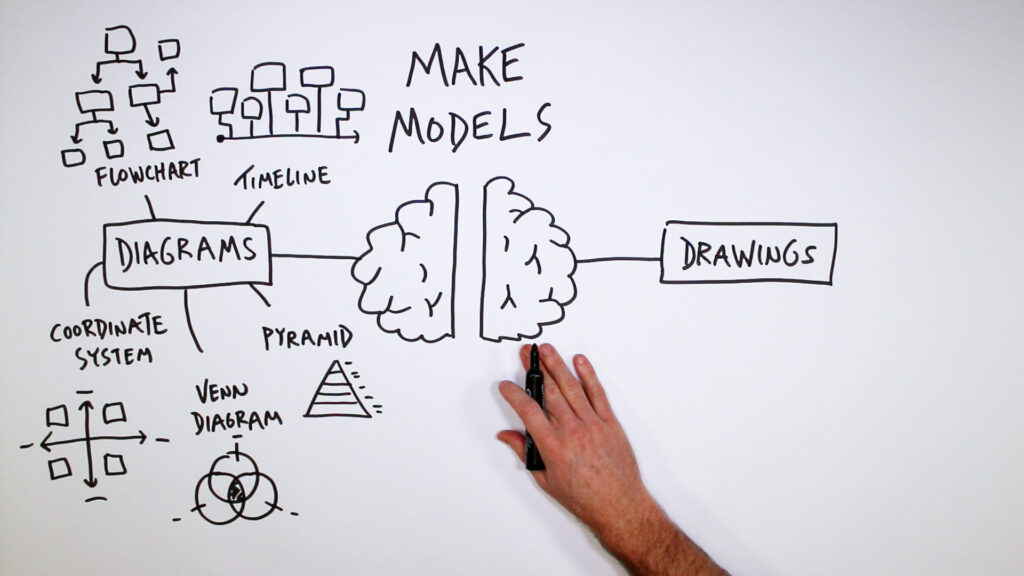
Many students try memorizing formulas too early. That habit usually create shallow knowledge. Geometry is fundamentally visual, and our brain process shapes faster than text.
Start by observing shapes in diagrams without rushing to calculate. Ask simple questions:
- What lines are parallel?
- Which angles seems equal?
- Where do triangles share sides?
Sketching the figure again with pencil help a lot. The act of redrawing forces the brain to notice details it previously missed. Some learners feels silly doing this at first, but it works surprisingly well.
Interactive graphing tools can help strengthen visual intuition. The graphing calculator at
https://www.desmos.com/calculator allows students to move points dynamically and watch shapes change in real time. When angles move and triangles stretch, relationships become obvious.
Within the geometry learn v3 method we encourage students to look first, calculate later. Many problems solve themselves once the structure is clearly seen.
2. Break Theorems Into Small Logical Pieces
A common complaint about geometry is remembering long theorems. Students often say, “I studied it yesterday but today its gone.”
That problem usually happens because the theorem was memorized as a sentence instead of understood as a chain of logic.
Take the triangle angle sum rule. Instead of memorizing the statement, analyze it step by step:
- Draw a triangle
- Extend one side
- Observe alternate interior angles
Suddenly the 180 degree rule stops feeling random. It becomes a result that had to happen.
A helpful explanation of many classical proofs can be found at
https://mathworld.wolfram.com which contains deep discussions of mathematical structures.
When learners apply geometry learn v3, they do not swallow theorems whole. We slice them into small reasoning steps. Once the reasoning becomes natural, memory almost take care of itself.
3. Train With Diagram Annotation
One small habit produce huge improvement: writing directly on the diagram.
Students frequently read a geometry problem and keep all thinking inside their head. That approach overloads memory quickly. Instead we mark everything.
Write angle values beside angles.
Circle parallel lines.
Draw little squares for right angles.
These marks turn a confusing picture into a working map. Many of our students say that once they start annotating diagrams, problems that once took 15 minutes now take 4 or 5.
The geometry learn v3 workflow encourages this active interaction with diagrams. Geometry was never meant to stay passive on the page.
4. Study Classic Geometry Proofs Slowly
Proofs intimidate many learners. They look like long chains of mysterious statements. But proofs actually tell stories. Each step answers the question: why must this be true?
Reading classic texts can build powerful reasoning habits. A well known historical reference is
https://mathcs.clarku.edu/~djoyce/java/elements/toc.html which contains the translated Elements of Euclid.
While reading, pause after each step. Ask:
- What fact justified this step?
- Could another argument also work?
Sometimes the first attempt to follow a proof feels frustrating. We remember one student who almost gave up after three pages. A week later he said the logic started making sense, slowly but clearly.
Geometry learn v3 encourages patience here. Logical thinking grows gradually, not instantly.
5. Connect Geometry With Real World Shapes
Geometry often becomes easier when it escape the textbook.
Look around a room. The ceiling corners form rectangles. Window frames show parallel lines. Tiles on the floor create repeating polygons. Even a simple coffee mug shows circles and cylinders interacting.
When learners begin seeing geometry everywhere, the subject feels less abstract. The brain store concepts more strongly because they link to everyday experience.
A short refresher on geometric fundamentals can be found through the lessons at
https://www.khanacademy.org/math/geometry which include interactive examples and exercises.
The geometry learn v3 system strongly encourage this environmental awareness. Geometry lives in architecture, art, design, and engineering. Once we start noticing it, shapes appear almost everywhere.
6. Practice With Mixed Geometry Problems
A mistake many learners make is practicing one concept repeatedly before moving to the next. While repetition help memory, it can also create dependency. Students begin recognizing patterns instead of thinking.
Mixed practice breaks that habit.
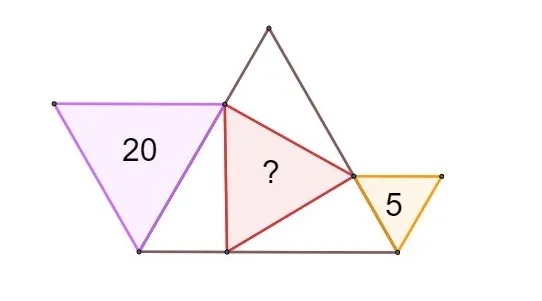
Instead of solving ten similar triangle problems, mix triangles, circles, polygons, and coordinate geometry together. The brain must then decide which principle applies, not just execute a familiar procedure.
This technique may feel harder at first, and some learners complain they gets more mistakes. Yet after several sessions their reasoning becomes sharper.
Geometry learn v3 recommends weekly mixed problem sets because real exams rarely group problems neatly by topic.
7. Teach Geometry Concepts To Someone Else
One of the fastest ways to solidify understanding is explaining it aloud. When we try to teach, gaps in our thinking quickly appear.
You might explain to a friend how similar triangles work. Halfway through the explanation you suddenly realize something doesnt quite make sense. That moment is valuable. It exposes exactly where deeper understanding is needed.
Even explaining to an imaginary student can help. Speak through the reasoning step by step. Write it as if preparing a lesson.
Many teachers quietly admit something surprising: they learn new insights about geometry every year while teaching it again.
Within the geometry learn v3 approach, learners regularly summarize solutions out loud. This habit strengthen both clarity and confidence.
Why Geometry Learn V3 Works Faster
Traditional geometry learning often rely on memorizing formulas and solving repetitive exercises. That approach produce fragile understanding. Once a problem looks slightly different, students freeze.
Geometry learn v3 focuses on three deeper skills:
- Visual analysis
- Logical reasoning
- Diagram interaction
When those skills grow together, geometry stops feeling like a puzzle full of tricks. Instead it becomes a structured language describing space.
Many learners report a turning point where problems that once seemed impossible suddenly feel manageable. The excitement in those moments is very real. We often see students smile quietly when a proof finally works or a difficult angle relation reveal itself.
Learning geometry is not just about grades. It trains the mind to observe carefully, reason patiently, and appreciate patterns hidden in plain sight.
Final Thoughts
Geometry rewards persistence. There will be days when diagrams look messy and theorems feel confusing. Thats normal. Every strong mathematician passed through the same stage.
By applying the strategies above and practicing consistently with geometry learn v3, students build understanding that lasts longer than memorized formulas. Shapes start making sense, proofs begin to flow, and the subject slowly becomes enjoyable rather than intimidating.
Geometry might begin as a school requirement, but for many learners it quietly grow into something deeper: a way of seeing structure in the world around us.
