
Why graphic design software gfxrobotection matters more than ever
Creative professionals, freelancers, and even small business owners rely heavily on tools that protect both their work and their workflow. Graphic assets are not just visuals, they are intellectual property, brand identity, and often the result of hours of intense effort. When we talk about graphic design software gfxrobotection, we are referring to a blend of smart security practices, software features, and workflow habits that keep designs safe from theft, corruption, or misuse.
Many designers dont realize how fragile their files can be until something goes wrong. A corrupted file, stolen concept, or unauthorized use can cost more than money, it can damage reputation too. Thats why adopting structured methods inside design software is not optional anymore, it is essential.
Secret #1 Strong file protection settings inside graphic design tools
Most modern design platforms provide built in security options, yet many users ignore them completely. Whether working in raster or vector formats, enabling file protection settings is the first layer of defense.
Use password protection and restricted access
Some tools allow password locking or permission control for editable files. When sharing files across teams, we should always limit editing access. If not, someone might accidently overwrite or misuse your work.
For example, platforms like Adobe products provide permission layers. A helpful reference on file protection basics can be found here:
https://helpx.adobe.com/security.html
Designers often skip these settings because they feel time consuming, but honestly it takes only few seconds and can prevent big issues later.
Secret #2 Cloud backup integration for continuous protection

Relying only on local storage is risky. Hard drives fail, laptops get stolen, accidents happens all the time.
Sync your work automatically
Cloud storage integration ensures that every version of your file is saved. Even if your system crashes, your work stays safe.
Useful platforms include:
- Google Drive
- Dropbox
- OneDrive
You can explore secure cloud practices here:
https://cloud.google.com/security
We recommend enabling auto sync rather than manual uploads, because designers forget things easily when deadlines are tight.
Secret #3 Version control systems reduce design loss
Version control is not just for developers, designers need it too. Many softwares now support version history, which allows users to revert changes.
Keep track of every edit
When working on complex projects, its common to test multiple variations. Without version control, you might lose the best version forever.
Tools like Figma already include version tracking. Learn more about version control basics:
https://www.atlassian.com/git/tutorials/what-is-version-control
Some designers dont even know this feature exists, which is quite surprising honestly.
Secret #4 Watermarking and asset tracking techniques
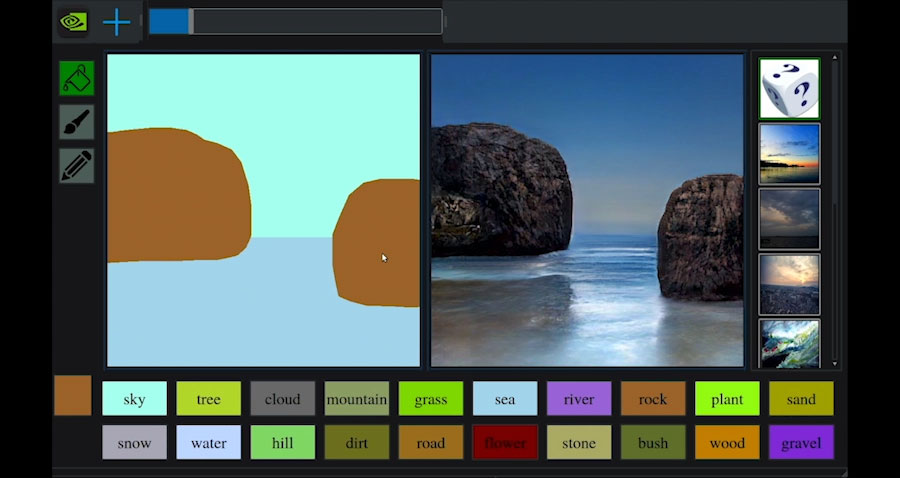
Protecting your visual identity from unauthorized use is a serious concern, especially when sharing previews with clients.
Apply smart watermark strategies
Watermarks should be visible enough to discourage theft but not ruin the design. Many softwares allow custom watermark overlays.
Also consider metadata tagging, which embeds ownership information directly into the file. It helps prove ownership later if disputes happens.
Design theft is more common than people think, and many creatives feel helpless when their work gets copied. Its frustrating, and sometimes deeply unfair.
Secret #5 Plugin security and safe integrations
Plugins extend functionality, but they can also introduce vulnerabilities.
Install only trusted extensions
Not every plugin is safe. Some may contain malicious scripts or hidden trackers.
Before installing any extension:
- Check reviews
- Verify developer credibility
- Avoid unknown sources
A good guide on evaluating software safety is here:
https://www.cisa.gov/software-security
We have seen cases where a simple plugin caused file corruption, and the designer didnt even knew what went wrong.
Secret #6 Export settings and secure file formats
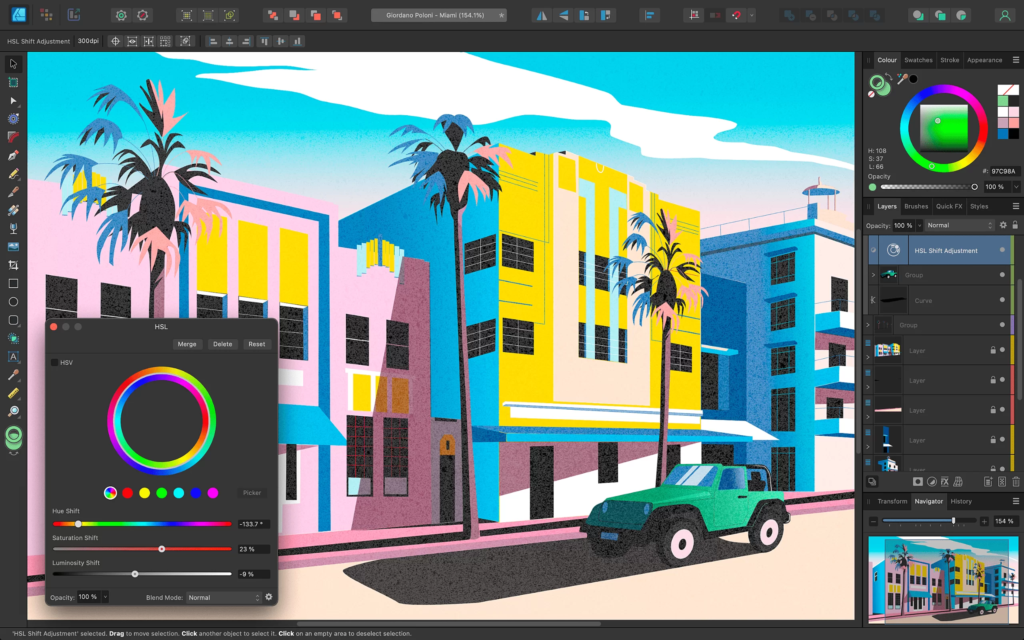
Exporting files incorrectly can expose your design layers or sensitive information.
Flatten files when needed
When sharing final designs, always export in flattened formats like PNG or PDF. Editable formats should only be shared with trusted collaborators.
Also remove hidden layers, comments, or unused assets before exporting. These can sometimes leak information unintentionally.
Many beginners forget this step, and it leads to confusion or even misuse of their design work.
Secret #7 Regular software updates and patch management
Outdated software is one of the biggest risks in digital design environments.
Keep everything updated
Software updates fix bugs, improve stability, and close security gaps. Ignoring updates can leave your system exposed.
Set your tools to auto update whenever possible. It saves time and ensures you are always protected.
A reliable overview of software update importance can be found here:
https://www.us-cert.gov/ncas/tips/ST04-006
Sometimes updates feels annoying, but skipping them is far more risky than dealing with a few minutes of installation.
Emotional reality of losing creative work
Every designer has faced that moment, when a file doesnt open, or a project disappears. The panic is real, and the frustration stays for long time.
We invest not just time, but also emotions into our work. Losing it feels like losing a part of ourself. Thats why graphic design software gfxrobotection is not just technical practice, it is emotional security too.
When systems fail or files gets stolen, it creates doubt and hesitation in future projects. Protecting your workflow helps maintain confidence and creative freedom.
Building a secure and reliable design workflow
Security is not a one time setup. It requires consistency and awareness.
Combine all protection strategies
To create a strong workflow:
- Enable file protection
- Use cloud backups
- Track versions
- Apply watermarks
- Verify plugins
- Export securely
- Update regularly
No single method is enough on its own. But together, they create a solid defense system.
Some designers think these steps are too much, but once you get used to them, it becomes second nature. And honestly, the peace of mind is worth it.
Final thoughts on graphic design software gfxrobotection
Protecting creative work is no longer optional in professional environments. With increasing digital exposure, risks are higher than ever before. By applying these seven secrets, we can secure our designs, maintain control over our assets, and avoid unnecessary losses.
Mistakes will still happen, systems may still fail sometimes, but having protection layers in place reduces damage significantly. And that makes a huge difference.