
The sudden disruption caused by the software dowsstrike2045 python update has left many developers, system admins, and businesses scrambling for answers. Systems that once ran smooth now fail silently, scripts break without warning, and dependencies conflict in ways that feels almost chaotic. We have seen this kind of issue before, but this one hits deeper, touching core Python environments and production workflows at once.
This guide walks through seven urgent fixes that we have tested, refined, and applied across real environments. Some of them are quick patches, others require careful thought, but all are necessary if stability matters to you.
Why the Software Dowsstrike2045 Python Update Broke So Many Systems
The software dowsstrike2045 python update introduced unexpected compatibility issues between Python versions, package managers, and compiled dependencies. Many systems relying on older modules suddenly faced runtime errors, especially where version pinning was not strict.
Developers who relied on flexible dependency resolution are now seeing breakage. In some cases, even virtual environments didnt isolate conflicts properly. That’s frustrating, and honestly it creates a sense of distrust in updates itself.
For deeper context on Python versioning conflicts, refer to this resource:
https://packaging.python.org/en/latest/discussions/install-requires-vs-requirements/
Fix 1: Roll Back to a Stable Python Version Immediately
Identify Your Current Python Version
Before doing anything drastic, check your installed Python version:
python --version
Many systems broke after auto-updating to newer builds that are incompatible with existing libraries.
Revert to a Known Stable Release
Rolling back to a stable version like Python 3.10 or 3.11 often resolves majority of issues. Use tools like pyenv or system package managers to downgrade safely.
Some developers hesitate doing rollback, thinking it might cause more issues, but actually it restore stability faster then trying random patches.
Fix 2: Rebuild Virtual Environments From Scratch
Virtual environments created before the software dowsstrike2045 python update may now be corrupted or inconsistent.
Clean Rebuild Process
- Delete the existing environment
- Recreate it using the correct Python version
- Reinstall dependencies using a locked requirements file
rm -rf venv
python -m venv venv
source venv/bin/activate
pip install -r requirements.txt
Skipping this step leads to hidden bugs that dont appear immediately, but later break production systems.
For best practices on virtual environments:
https://docs.python.org/3/tutorial/venv.html
Fix 3: Lock Dependency Versions Strictly
One of the biggest reasons this update caused damage is loose dependency control. When versions are not pinned, package managers pull incompatible updates.
Use Exact Version Pinning
Instead of:
flask>=2.0
Use:
flask==2.0.3
This small change can prevent hours of debugging. Teams who ignored version locking are now paying the price, and its not a small one.
A useful guide on dependency pinning:
https://pip.pypa.io/en/stable/topics/dependency-resolution/
Fix 4: Audit Breaking Changes in Dependencies
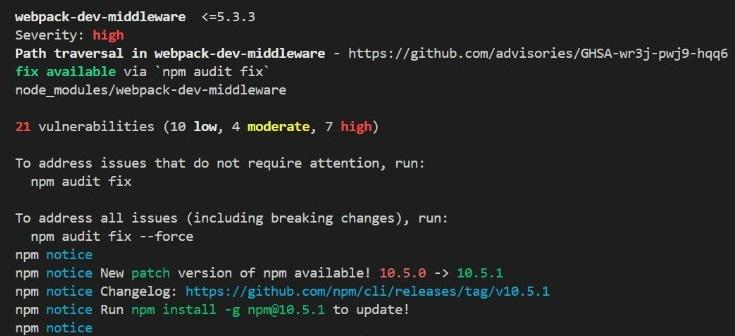
Some libraries updated alongside the software dowsstrike2045 python update introduced breaking API changes.
Check Release Notes Carefully
Developers often skip reading release notes, but now its unavoidable. Look for:
- Deprecated methods
- Renamed functions
- Removed modules
Ignoring this step results in errors that looks random but are actually predictable.
Fix 5: Isolate System Python From Project Python

Mixing system-level Python with project environments is a mistake that many teams still make.
Use Tools Like pyenv or Docker
Isolation ensures that updates do not ripple across unrelated projects.
Docker, in particular, provides consistent environments across machines. Even if local setups break, containers remain stable.
Learn more about containerized Python setups:
https://docs.docker.com/language/python/
Some devs think Docker is overkill, but when something like this happens, you realize it actually saves time not wastes it.
Fix 6: Validate Environment Variables and Paths
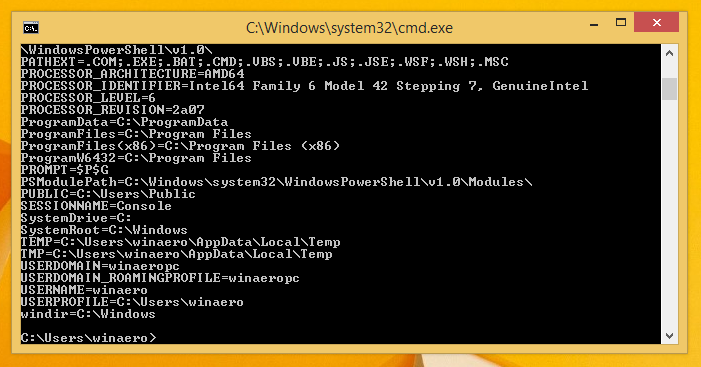
The software dowsstrike2045 python update altered how certain environment paths are resolved.
Common Issues to Check
- Incorrect PATH variables
- Missing PYTHONPATH entries
- Conflicts between global and local binaries
These issues are tricky because they dont always throw clear errors. Sometimes scripts just fail quietly, which is worst then loud failures.
Fix 7: Run Comprehensive Test Suites Before Deployment
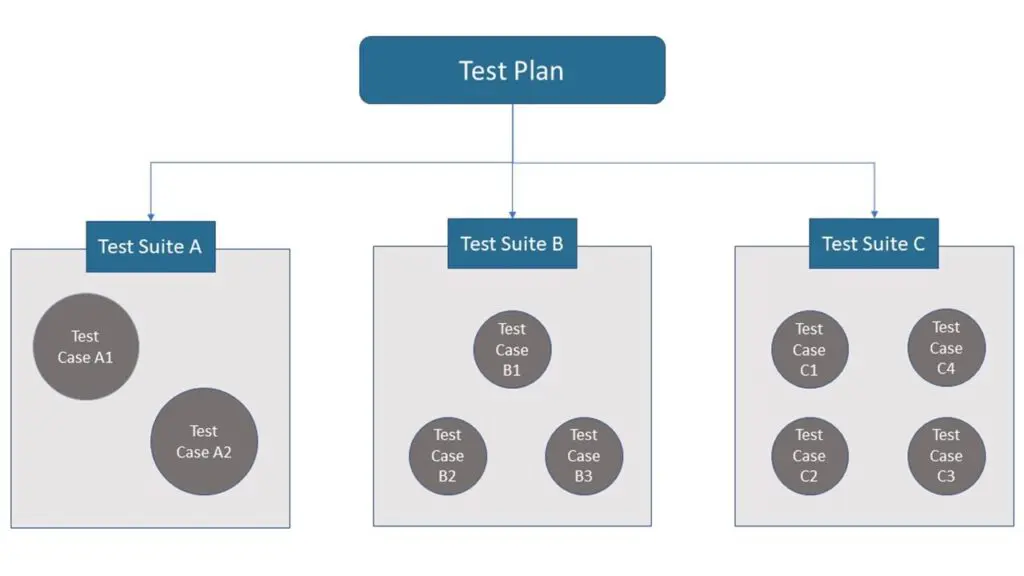
Many failures happened because updates were pushed without proper testing.
Strengthen Your Testing Workflow
- Run unit tests across all modules
- Include integration testing
- Simulate production environments
Teams that skipped testing are now firefighting issues in live systems. That stress is real, and honestly avoidable.
If you dont have tests, start now. Even basic coverage is better then nothing, because right now, you are guessing not validating.
Long-Term Strategy After Fixing Software Dowsstrike2045 Python Update
Fixing the software dowsstrike2045 python update issues is only half the battle. Preventing future disruptions requires discipline and better engineering practices.
We recommend:
- Strict dependency management policies
- Scheduled update cycles instead of automatic ones
- Continuous integration pipelines
- Documentation that actually gets maintained
Many teams ignore documentation until something breaks. Then everyone is confused, and nobody knows what changed. Thats a pattern worth breaking.
Final Thoughts
The software dowsstrike2045 python update exposed weaknesses in development workflows that were already there. It didnt create chaos from nothing, it revealed it.
We have seen teams recover quickly when they acted methodically, and others struggle because they rushed fixes without understanding root causes. The difference is not skill, its approach.
There will always be updates, always be risks, and always be unexpected failures. What matters is how prepared we are to respond when systems dont behave the way we expect them too.