

Planning a live or streamed show always look simple from the outside. Lights go on, music start, crowd reacts. Yet behind the stage there is layers of budgeting decisions that many organizers dont see until money already spent. When people search for BacktoFrontShow Pricing, they often expect a single flat number. Reality is different. Costs grows from several directions, and some of them appear when planning already half finished.
We have worked with productions, digital shows, and hybrid performances long enough to know one thing clearly. A show budget rarely behave the way planners expect. Small overlooked items slowly add up, and suddenly the final invoice looks very different from the early estimate.
Below we break down seven surprising expenses that shape BacktoFrontShow Pricing and why ignoring them creates stress later.
The Real Structure Behind BacktoFrontShow Pricing
Budgeting for a performance based platform is not only about stage or camera work. There are technology, rights management, staff hours, and operational logistics that quietly sit in the background. Some planners underestimate them because they are not visible to audience.
Industry production guides explain this layered budgeting well. Resources such as this event budgeting overview from Eventbrite provide a useful framework for production planning:
https://www.eventbrite.com/blog/event-budget-template-ds00/
Still, many teams realize too late that the base package rarely include everything needed to run a smooth show.
1. Platform Access and Base Subscription Fees
The first cost influencing BacktoFrontShow Pricing is the platform access itself. Some organizers assume once the software subscription purchased, the job is done. But most platforms structure pricing in tiers.
Basic access may allow limited viewer counts or reduced streaming quality. Once audience numbers grows, upgrades become required. And those upgrades sometimes cost more than expected.
A common mistake happens when event planners underestimate audience size. The platform plan purchased for 500 viewers suddenly becomes insufficient when marketing brings 2000 people. That means the account must be upgraded quickly, often with higher last minute pricing.
Teams also forget taxes, processing fees, and add ons. Those little numbers seems small, but together they raise the final budget quietly.
For those exploring ticketed digital events, this guide about ticket platform fees explains how service charges accumulate:
https://www.eventbrite.com/blog/eventbrite-fees/
2. Production Equipment That Was Not in the Quote
Equipment costs often cause confusion when calculating BacktoFrontShow Pricing. Organizers believe the stage lighting, microphones, or broadcast cameras are included. But many packages only cover minimal gear.
Professional shows require backup equipment. Microphones fail sometimes, camera batteries drain faster then expected, cables suddenly stops working. Production teams prepare redundancy so a show does not collapse during broadcast.
Lighting alone can shift a budget dramatically. If planners want cinematic visuals instead of flat illumination, additional lighting rigs become necessary. A basic lighting explanation can be found here:
https://www.masterclass.com/articles/stage-lighting-design-guide
When creative direction evolves, equipment list grows too. Suddenly there is extra cameras, switching hardware, or special effects units. Costs increases quickly and organizers often say they didnt expect it.
3. Streaming Bandwidth and Video Delivery
Streaming infrastructure is another major component affecting BacktoFrontShow Pricing. High quality video requires significant bandwidth and server capacity.
Many first time producers think internet streaming is cheap. That belief usually changes after learning about content delivery networks and video encoding services.
A platform might include a limited amount of streaming data in its plan. If the event becomes popular, bandwidth usage goes beyond that limit. Extra charges appear based on viewer hours or gigabytes transferred.
Technical explanation of streaming bandwidth can be explored through resources like Cloudflare’s content delivery documentation:
https://www.cloudflare.com/learning/cdn/what-is-a-cdn/
These infrastructure charges are invisible to viewers but essential for stable playback. Without them, buffering ruins the experience.
4. Licensing Fees for Music and Media
Another factor often ignored in BacktoFrontShow Pricing is copyright licensing. Shows that include music, film clips, or visual artwork must respect intellectual property laws.
Event producers sometimes assume using a song for background audio is harmless. In reality, commercial performances require permission from rights holders or licensing organizations.
Music licensing authorities collect fees depending on audience size and distribution method. Streaming events may require additional digital rights.
This topic is explained clearly by the American Society of Composers, Authors and Publishers here:
https://www.ascap.com/help/music-business-101/licensing
When licensing is forgotten during early planning, production teams must scramble later. And rushed permissions normally cost more.
5. Technical Crew and Operational Staff
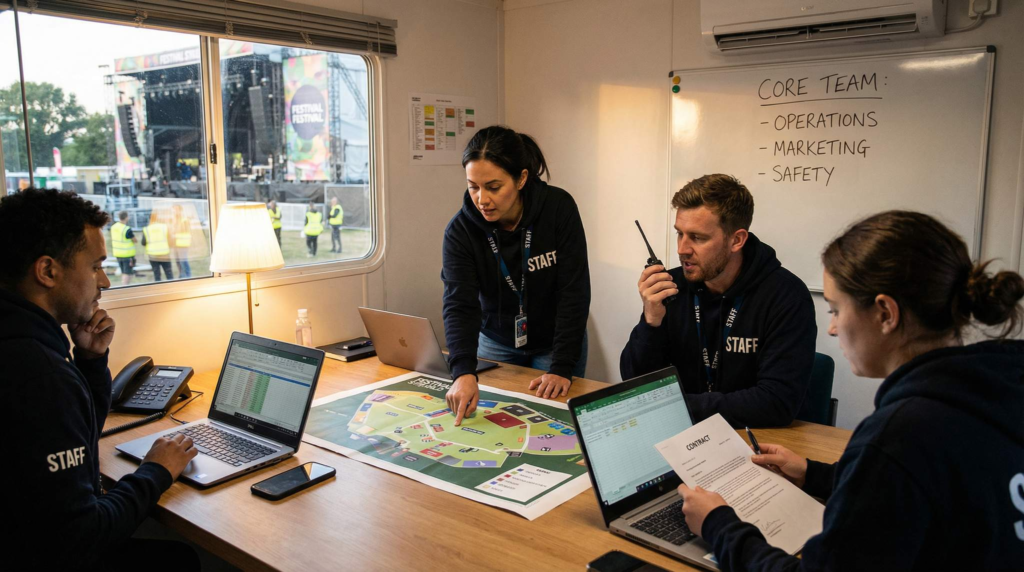
Behind every polished show there is people solving problems quietly. Crew costs therefore play a large role in BacktoFrontShow Pricing.
A production usually needs stage managers, audio engineers, lighting operators, streaming technicians, camera crew, moderators for online chat, and customer support agents.
Labor hours multiply fast. Rehearsals require staff presence. Equipment setup require technicians. Live monitoring during the show require additional personnel.
Organizers sometimes assume a small team can manage everything. In practice that assumption fails quickly. When something breaks, specialists are needed immediately. Without them the show quality drop, and audience notice the difference.
Also overtime charges sometimes apply. If rehearsals runs longer than planned, staff invoices increase. It happens more often then people admit.
6. Marketing and Audience Acquisition
A show without audience does not achieve its purpose. Marketing therefore becomes a hidden driver of BacktoFrontShow Pricing.
Digital advertising, social media promotions, influencer collaborations, and email campaigns all require budget allocation. Many event planners think organic reach will handle promotion.
But competition online is intense. Even good events struggle to gain visibility without advertising spend.
Marketing campaigns also involve creative production costs. Graphic design, promotional video editing, copywriting, landing page development. These services are rarely included in base show packages.
When the promotion strategy changes close to launch date, budgets grow quickly. Teams sometimes panic at this stage because ticket sales are slower then expected.
7. Post Production and Replay Distribution
The show does not end when the live broadcast finishes. Post production tasks continue shaping BacktoFrontShow Pricing.
Recorded footage often needs editing before replay release. Audio balancing, color correction, subtitle creation, and highlight clips require skilled editors.
Some organizers also want on demand access for attendees. Hosting recorded content involves storage costs and additional streaming bandwidth.
Customer support after the event also requires resources. Viewers request replay access, ask technical questions, or need refund assistance. These tasks may look minor but they consume time and staff hours.
Ignoring post production planning causes delays and frustration later. Many teams underestimate this stage completely.
Why Transparent Budget Planning Matters
Realistic planning protects both producers and clients. When BacktoFrontShow Pricing is explained clearly from the start, expectations remain aligned.
The problem is not that shows are expensive. The problem is that cost components often remain hidden during early conversations. When invoices arrives later, clients feel surprised and sometimes upset.
Careful budgeting requires patience, communication, and experience. Production teams must list every operational element even if it seems small. That transparency builds trust and reduces last minute panic.
Anyone preparing a live or hybrid show should take time mapping these seven cost areas before signing contracts. It may feel tedious at first, but it saves far more trouble later.
Shows succeed when planning is honest, not when budgets pretend to be smaller than reality.