

The phrase Internet Hicks appears in online discussions more often than many people expect. It describe a curious digital behavior pattern where individuals participate heavily in internet culture while holding very limited digital literacy or critical thinking. Many communities joke about it, but behind the humor there are deeper social and technological realities.
We explored the topic closely and what we discovered was surprising, sometimes uncomfortable, and honestly a bit funny too. These truths reveal how online culture grow in strange directions when access to technology move faster than education or awareness.
1. Internet Hicks Often Have Massive Online Presence

Many assume Internet Hicks are rare users who barely understand the web. Reality show something different. Some of them post constantly. Their accounts may contain thousands of comments, memes, arguments, and emotional reactions.
They might not fully understand algorithms or privacy, but they participate with passion. One person can dominate comment sections for years without realizing how their posts affect reputation or digital footprint.
Social platforms encourage this behavior through engagement loops. According to research from the Pew Research Center, frequent posting habits are often linked with emotional reward systems inside social networks.
Sometimes we read their posts and think, “why this person keeps posting same idea again and again?” The answer simple. Feedback. Even negative feedback feel like attention.
Many Internet Hicks does not see difference between meaningful conversation and attention seeking noise.
2. Lack of Digital Literacy Is The Core Issue

Not stupidity. Just missing knowledge.
A common stereotype says Internet Hicks are dumb. That assumption is unfair and honestly lazy. Most of them simply never received training about digital literacy.
Digital literacy include understanding things like:
- verifying sources
- recognizing manipulated media
- protecting personal information
- recognizing scams
Without those skills, a user can easily spread misinformation or fall into conspiracy loops.
The educational gap is widely documented. Reports from the World Economic Forum discuss how internet adoption often outpace digital education programs. Access arrives first. Knowledge arrives later, sometimes much later.
We seen this problem in many communities. Someone share a fake screenshot, another person believe it, then the rumor explode across forums. Nobody stop to verify because they dont know how.
3. Internet Hicks Spread Misinformation Faster Than Experts
Information moves quick online, but misinformation move faster. Internet Hicks unknowingly become powerful distributors of false claims.
Why? Because emotional content travel further.
If a post create anger, fear, or outrage, it get shared instantly. Logical explanation rarely receive same excitement.
Researchers studying misinformation dynamics at MIT found false stories spread significantly faster than truthful ones on social platforms.
Internet Hicks often amplify those stories not out of bad intent. Many truly believe they are helping others by sharing “important warning.” Sadly the warning might be fake.
Sometimes we read posts where a person warn about imaginary laws, fake health advice, or completely made up statistics. They feel proud sharing it. The confidence is real, but accuracy not so much.
4. Humor Communities Secretly Depend On Them
Meme culture would be boring without them
A strange truth appear when studying meme communities. Internet Hicks unintentionally create viral comedy.
Their dramatic reactions, misunderstandings, and oddly confident arguments often become screenshot material. Entire meme pages exist purely to archive these moments.
This does not mean people should mock them cruelly. But internet humor thrives on unpredictable human behavior.
Some of the most shared memes originate from comment sections where someone misunderstand a joke and responds with full seriousness. That moment of confusion become comedy gold.
Without Internet Hicks, many humor communities would lose a major source of content.
And honestly, sometimes we laugh then later feel little guilty too.
5. Algorithms Accidentally Encourage This Behavior
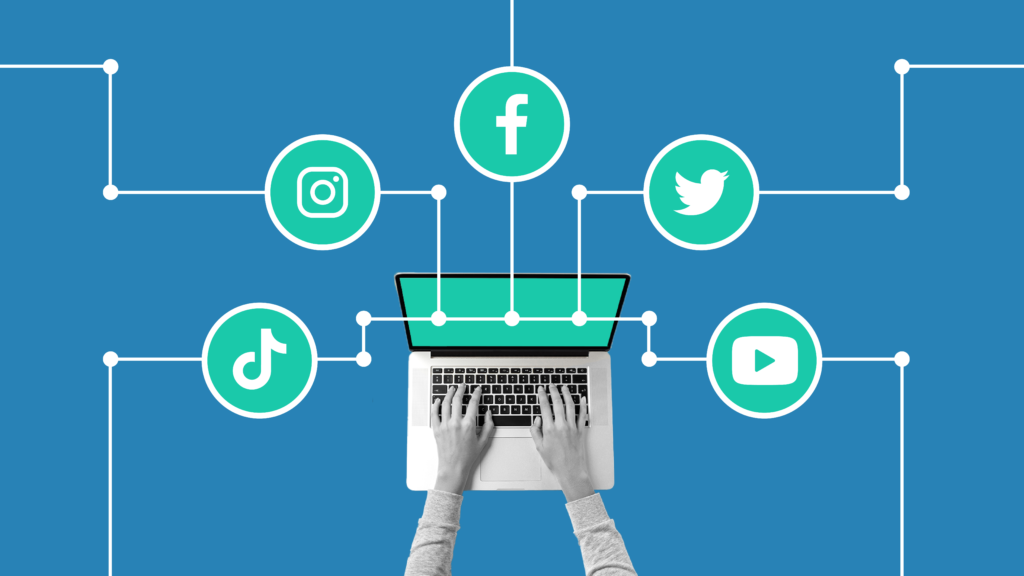
Social media systems reward engagement above accuracy. The platform does not care if a comment is thoughtful or chaotic. If it creates reactions, the system promote it.
This is why Internet Hicks often gain surprising visibility.
A dramatic comment may trigger hundreds of replies. The algorithm interpret that activity as valuable interaction and show the post to more users.
According to insights from the Stanford Internet Observatory, recommendation systems can unintentionally amplify low quality or misleading content when engagement signals are strong.
The result is a loop.
- A confusing comment appears
- People react or argue
- Engagement rise quickly
- Algorithm push the post wider
Soon the original comment reach thousands of viewers, even though the information inside might be totally wrong.
6. Many Internet Hicks Are Surprisingly Kind People
Here is a truth that rarely gets discussed. Many Internet Hicks are actually kind individuals offline.
They help neighbors, care for family, volunteer in communities. The problem isn’t personality. It is the digital environment.
Online communication remove tone, facial expression, and context. A person who sound friendly in real life may appear aggressive or clueless in text.
We sometimes forget that behind every confusing comment there is a human being with a full life story.
One older forum user once wrote, “I dont understand internet rules but I like talking with people here.” That sentence was messy but honest. It show the human side of online confusion.
Empathy matter here. Mockery might create entertainment but understanding create solutions.
7. The Internet Hicks Phenomenon Reveals A Bigger Social Shift

Rapid connectivity changed society faster than expected
The spread of smartphones connected billions of people in a very short time. Technology arrived before digital culture had time to stabilize.
Large populations entered the online world without preparation. The result is a mix of skilled users, beginners, trolls, experts, and yes Internet Hicks.
This blend produce chaotic but fascinating internet ecosystems.
Communication scholars often compare early internet culture to a frontier town. Rules were unclear. Norms evolved slowly. Mistakes everywhere.
We are still living inside that transition.
Digital education programs, media literacy courses, and responsible platform design can reduce the negative effects. Progress happening but slowly.
Until then, Internet Hicks will remain part of the online landscape. Sometimes frustrating. Sometimes hilarious. Often misunderstood.
Final Thoughts On Internet Hicks
Internet culture reflect human nature in raw form. When millions of people gain communication tools without guidance, strange behaviors appear. Internet Hicks represent one of those behaviors.
They remind us something important. Access to technology does not automatically create knowledge. Skills must be learned, practiced, and shared.
Instead of only laughing at mistakes, communities can guide new users toward better habits. A simple explanation, a helpful link, or patient correction can prevent misinformation from spreading further.
The internet works best when experienced users help others grow.
And honestly, many of us probably acted like Internet Hicks at some point too. Just nobody screenshot it.