


Organizations rely on specialized platforms to manage operations, automate workflows, and maintain consistent productivity. When a problem on llekomiss software appears, work suddenly slow down, files fail to sync, and users become frustrated. We have experienced these issues ourselves while assisting teams who depend on Llekomiss tools every day.
Instead of guessing or applying random fixes, we compiled seven reliable solutions that repeatedly resolve the most common errors, crashes, and configuration failures connected with Llekomiss software environments.
The guidance below reflects real troubleshooting experience, and it can help restore system stability faster than trial and error attempts.
Common Signs of Problem on Llekomiss Software
Before jumping into solutions, recognizing the symptoms is helpful. Many users report similar patterns when the software starts malfunctioning.
Frequent Error Messages and Failed Processes
A typical problem on llekomiss software often appear through recurring error messages. These messages may look harmless at first, but they signal deeper system conflicts.
Common examples include:
- Unexpected application shutdowns
- Data synchronization failures
- Login authentication errors
- Plugin incompatibility alerts
- Background processes stopping suddenly
Sometimes the error disappear after restarting the system, but the issue often return later, which indicates something deeper is wrong.
Performance Drops and Slow System Response
Another sign is extremely slow processing speeds. Users may notice dashboards loading for several minutes or reports refusing to generate.
Performance degradation usually come from overloaded memory, outdated drivers, or misconfigured dependencies. When the platform starts lagging repeatedly, it is a strong indicator that a problem on llekomiss software exist somewhere in the system environment.
For readers who want to understand why software becomes unstable under load, the article on https://www.redhat.com/en/topics/automation/what-is-system-performance explains how system resources influence application behavior.
Fix 1: Update the Llekomiss Software to the Latest Version
Outdated software is one of the most frequent reasons users encounter a problem on llekomiss software.
Why Updates Matter
Developers regularly release patches to repair security gaps, resolve bugs, and improve compatibility with operating systems. Running an older version means those corrections are missing.
Steps we recommend:
- Check the official update panel inside the application
- Verify version numbers against the vendor website
- Download and install the newest stable release
- Restart the application and clear cached sessions
Many teams forget this simple step and waste hours debugging issues that updates would of fixed instantly.
If your organization manages enterprise software upgrades frequently, the update management overview at
https://learn.microsoft.com/en-us/windows/deployment/update/update-management-overview explains structured patch workflows.
Fix 2: Clear Application Cache and Temporary Files
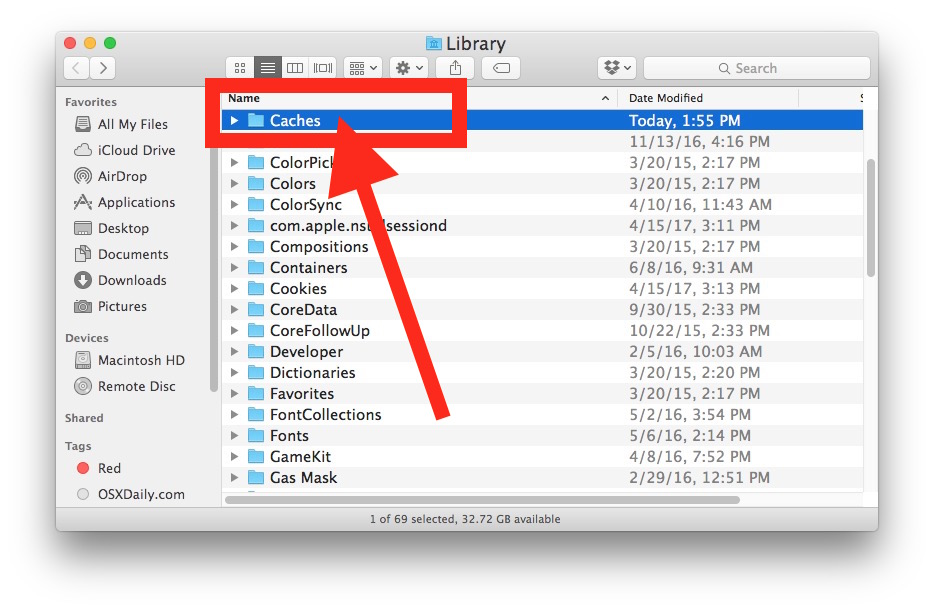
Corrupted cache files cause many hidden issues. When these files accumulate, the software begins to behave unpredictably.
Steps to Remove Corrupted Cache
We usually follow this process:
- Close Llekomiss software completely
- Navigate to the application data folder
- Locate cache or temp directories
- Delete the files inside the folder
- Restart the application
This simple cleanup resolve many cases where dashboards fail to load or settings refuse to save.
Some users skip this because they think it wont matter, but actually cache corruption break many applications over time.
Fix 3: Check System Compatibility and Dependencies
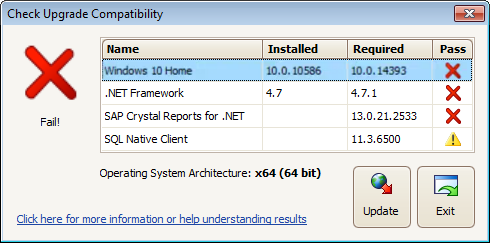
Software rarely operates alone. It relies on system libraries, frameworks, and hardware drivers.
When these components conflict with each other, a problem on llekomiss software begin showing up in unpredictable ways.
Compatibility Checklist
We recommend verifying:
- Operating system version
- Required runtime frameworks
- Installed drivers
- Database connectivity
- Security permissions
A mismatched dependency might look small, yet it can break entire modules.
For a detailed explanation of software dependencies and compatibility, the documentation on
https://opensource.com/resources/what-open-source offers insight into how software ecosystems interact.
Fix 4: Repair Installation Files
Sometimes installation files become damaged during updates or incomplete downloads. When that happen, some program modules stop functioning correctly.
Reinstalling Without Losing Data
To repair installation issues:
- Backup configuration files
- Uninstall the current application version
- Download the installer again from the official source
- Install with administrator privileges
- Restore configuration settings
We have seen many environments where reinstalling instantly solved a persistent problem on llekomiss software that troubleshooting could not identify.
The installation process might feel annoying, but skipping it often prolong the problem.
Fix 5: Adjust Security and Firewall Settings
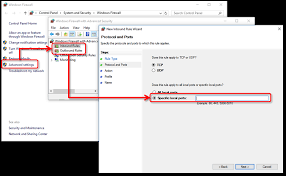
Corporate networks sometimes block communication required by the software.
Network Restrictions That Cause Errors
Typical restrictions include:
- Firewalls blocking service ports
- Antivirus software flagging application components
- Proxy servers interrupting authentication requests
When network rules restrict access, modules stop working even though the application itself seems normal.
A useful explanation of firewall behavior is available at
https://www.cloudflare.com/learning/security/what-is-a-firewall/
Once firewall permissions are adjusted, many connectivity errors disappear almost immediatly.
Fix 6: Analyze System Logs for Hidden Errors
Logs provide detailed technical clues that many users overlook.
Why Logs Matter
Whenever a problem on llekomiss software occur, the system usually record diagnostic entries. These logs reveal failed modules, missing files, and configuration errors.
We recommend checking:
- Application logs
- Operating system event logs
- Database logs
- Network connection logs
Even though reading logs may feel confusing at first, they often show the real problem within seconds.
When teams ignore logs, they guess solutions blindly which create even more confusion later.
Fix 7: Contact Technical Support With Detailed Reports
When none of the previous fixes work, direct support from the software vendor becomes necessary.
Information Support Teams Need
Providing detailed reports helps engineers identify the issue faster.
Include the following details:
- Software version number
- Operating system version
- Screenshots of error messages
- System log files
- Description of what happen before the issue started
Without these information, support teams struggle to reproduce the problem.
Some users only say “software not working”, which makes the troubleshooting process slower and sometimes frustrating for both sides.
Preventing Future Problem on Llekomiss Software
Fixing issues is only part of maintaining a stable environment. Preventive maintenance reduces the chances of recurring failures.
Recommended habits include:
- Schedule regular software updates
- Monitor system resource usage
- Maintain reliable backups
- Train users on proper workflow practices
Organizations that ignore maintenance often experience repeated problem on llekomiss software because underlying system health slowly deteriorates.
Consistent monitoring keeps small glitches from growing into major outages.
Final Thoughts on Resolving Problem on Llekomiss Software
Technical problems can disrupt productivity quickly, especially when critical tools stop functioning during busy workdays. The good news is that most problem on llekomiss software cases originate from predictable causes such as outdated versions, corrupted cache files, dependency conflicts, or restricted network settings.
By methodically applying the seven fixes explained above, many organizations restore full system functionality without long downtime.
Troubleshooting require patience, careful observation, and a willingness to examine system details. When teams approach problems logically instead of randomly testing solutions, the path toward resolution becomes much more clear.