


Travel often feels exciting at first, but small oversights can turn a smooth trip into a frustrating one real quick. We have spent years studying booking patterns, guest behavior, and hospitality loopholes, and one thing becomes obvious: hotels rarely share the smartest ways to save money, improve comfort, or gain better service. These travel tweaks hotels keep quiet about can reshape how we plan and experience every stay.
Below, we break down seven powerful strategies that travelers rarely use properly, yet they can make a serious difference.
Book Direct, But Only After Comparing Hidden Rates
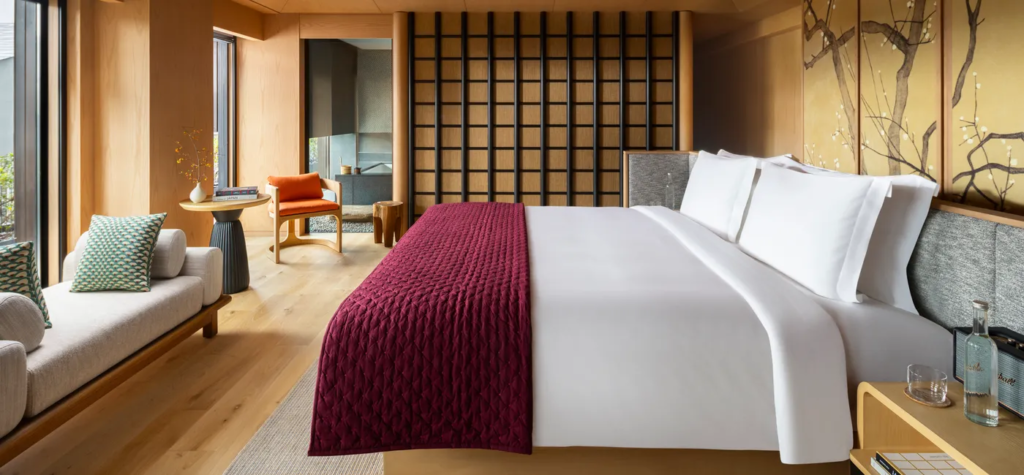
Many travelers assume booking directly with hotels always gives the best deal, but that’s not fully true. Hotels sometimes reserve exclusive discounts for third party platforms to maintain visibility rankings. However, calling the hotel after finding a lower rate online often leads to price matching or extra perks.
We recommend using comparison tools like Google Hotels to scan price differences first. Then contact the hotel directly and ask for upgrades or flexible cancellation options. Staff are more likely to offer incentives when they avoid paying commission fees.
Sometimes they will say no, and thats fine, but many times they don’t. It depends on timing and demand, and also how politely you ask.
Check In Late for Better Room Upgrades
Hotels assign rooms earlier in the day, and premium rooms may remain unused if demand is low. Arriving later in the evening increases the chances of receiving a free upgrade, especially if standard rooms are fully booked.
This strategy works better in business districts where turnover is unpredictable. We have seen cases where guests checking in after 7 PM recieved suites at no additional cost, simply because inventory had to be utilized.
Still, this doesnt always work during peak seasons or holidays, so expectations should stay realistic.
Use Incognito Mode for Hotel Searches
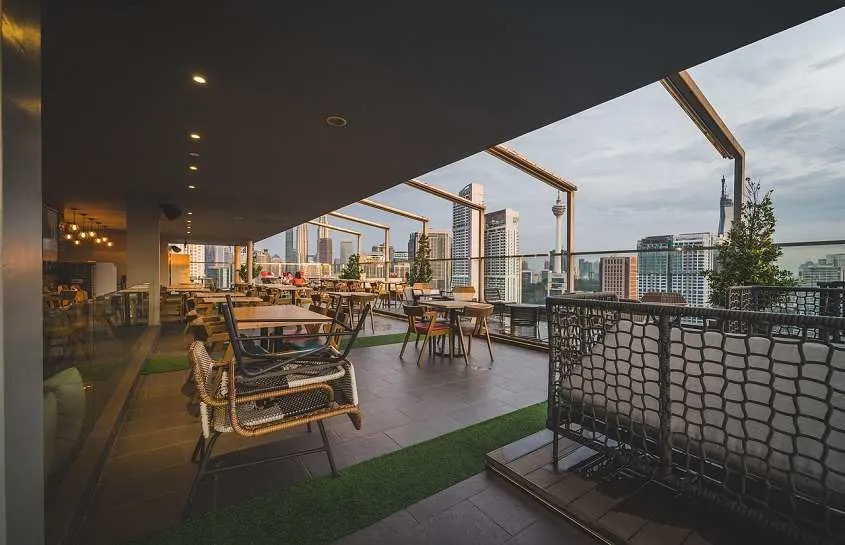
Online booking platforms track user behavior, and repeated searches for the same destination can lead to price adjustments. While not always drastic, even small increases can impact long stays.
Opening a private browsing window before searching helps reduce this effect. You can also compare results across multiple devices. Some travelers ignore this step, but over time, it adds up.
For additional insights, research on dynamic pricing models can be explored through sources like Harvard Business Review, where pricing strategies are discussed in depth.
Request Corner Rooms for More Space
Most guests never request specific room types, which is a missed opportunity. Corner rooms tend to be larger, quieter, and often have better views. Hotels dont advertise this clearly because they prefer assigning rooms based on availability and operational ease.
When checking in, simply ask if any corner rooms are available. It sounds too simple, yet it works surprisingly often. We have personally experienced bigger layouts and less hallway noise just by asking.
Some front desk agents might say nothing is available, but again, timing matters alot.
Avoid Weekend Check Ins at Business Hotels
Business oriented hotels typically see lower occupancy on weekends. This creates an opportunity for better rates and more flexibility in room selection.
On the other hand, resorts behave differently, where weekends are peak times. Understanding this difference helps travelers choose smarter booking windows.
Data from Statista shows fluctuating occupancy rates across hotel types, reinforcing this pattern. Ignoring this detail means potentially paying more for the same experience.
Pack a Small Extension Cord or Power Strip
Hotel rooms often lack sufficient charging points, especially near beds. This becomes frustrating when multiple devices need charging overnight.
Carrying a compact power strip solves this instantly. It’s a simple tweak, but one that hotels rarely address because infrastructure upgrades are costly.
We’ve seen travelers struggle with dead phones before important meetings, which could of been avoided easily. Small preparation matters more than people think.
For packing strategies, travelers often refer to guides like Rick Steves Travel Tips, which provide practical advice based on real experiences.
Join Loyalty Programs Without Staying Loyal
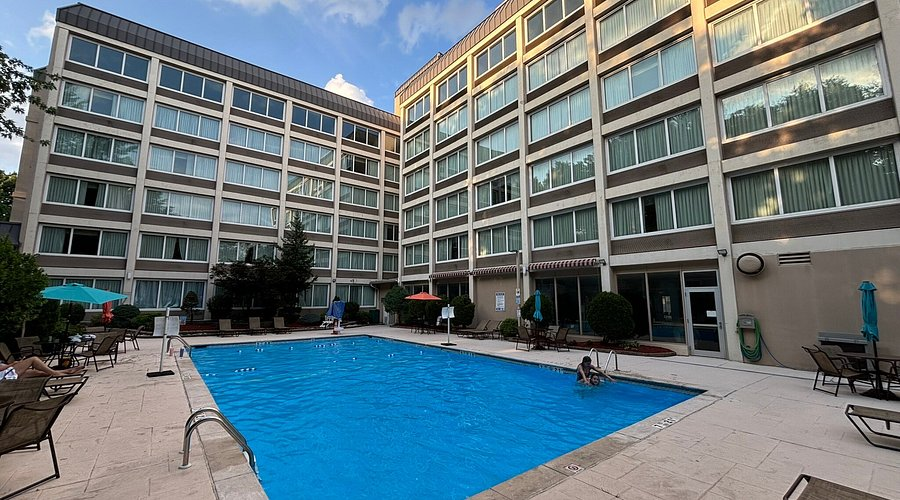
Hotel loyalty programs are free, yet many travelers ignore them unless they frequently stay with one brand. That’s a mistake.
Even one time members can receive benefits such as free Wi Fi, early check in, or late checkout. These perks are often not mentioned upfront, but they are available if you enroll before booking.
We suggest signing up across multiple hotel chains instead of sticking to one. This gives flexibility while still gaining small advantages during each stay.
According to insights from Forbes Travel Guide, loyalty perks significantly influence guest satisfaction, even at entry level tiers.
Call the Hotel Directly for Special Requests
Online booking forms limit customization, while direct communication opens doors. Whether it’s requesting a quiet floor, early check in, or even a complimentary amenity for a special occasion, calling the hotel increases your chances.
Front desk teams often have discretion that isnt reflected online. Speaking to a real person builds a subtle connection, which sometimes leads to better service.
We’ve seen birthday travelers recieve desserts, room upgrades, and handwritten notes, simply because they mentioned it beforehand.
Why These Travel Tweaks Hotels Keep Quiet About Matter
Hotels operate on efficiency and profit margins, which means they won’t always highlight options that reduce revenue or increase workload. These travel tweaks hotels prefer to keep behind the scenes give travelers an edge without requiring extra spending.
Some of these strategies might feel small or even insignificant at first glance, but together they create a noticeably better travel experience. Comfort improves, costs drop, and interactions become smoother.
Travel isnt just about reaching a destination, its about how the journey feels while your living it. Knowing these subtle advantages changes everything.