

The growing passion around tech hacks pblinuxgaming is not just about squeezing more frames per second. It’s about control, freedom, and that quiet satisfaction when a game finally runs smoother than expected. We’ve seen gamers spend hours testing tweaks, breaking configs, fixing them again, and honestly, that journey is part of the thrill. Below, we share seven deeply practical hacks that experienced Linux gamers rely on, even when things dont go as planned.
Optimize Proton Compatibility for Maximum Performance
One of the most effective tech hacks pblinuxgaming enthusiasts rely on is mastering Proton configurations. Default settings works fine sometimes, but rarely gives the best results.
Use Custom Proton Builds
Switching to custom Proton builds like GloriousEggroll versions often improves compatibility dramatically. These builds includes patches not yet available in official releases, which makes certain AAA games playable.
We recommend checking resources like
https://www.protondb.com
for real user reports. Many gamers shares tweaks that actually works, not just theory.
Set Launch Options Wisely
Simple tweaks such as:
PROTON_USE_WINED3D=1 %command%
or enabling Vulkan layers can drastically change performance. It may feels confusing at first, but once you get used to it, you’ll start seeing patterns.
Fine Tune Graphics Drivers for Linux Gaming
Drivers are often overlooked, yet they plays a massive role in performance. Without proper setup, even high-end GPUs struggles badly.
NVIDIA Users Must Update Regularly
Using outdated drivers leads to crashes and stutters. Always install the latest stable version from official repositories or trusted PPAs.
For detailed guidance, refer to
https://developer.nvidia.com/vulkan-driver
It explains Vulkan compatibility, which is critical for modern gaming.
AMD Users Benefit from Mesa Tweaks
AMD GPUs works well with open-source Mesa drivers, but tuning them matters. Setting environment variables like:
RADV_PERFTEST=aco
can boost performance significantly, though sometimes it break certain games, so testing is needed.
Use GameMode for Automatic System Optimization
GameMode is a small tool, but its impact is surprisingly big. It adjusts CPU governor, IO priorities, and more when a game runs.
Install and Enable GameMode
Install via your package manager and launch games with:
gamemoderun %command%
This ensures your system focuses resources where it matters most.
More info can be found here:
https://github.com/FeralInteractive/gamemode
Many users says it’s one of the simplest wins in Linux gaming, and honestly, we agrees.
Improve FPS with Lightweight Desktop Environments
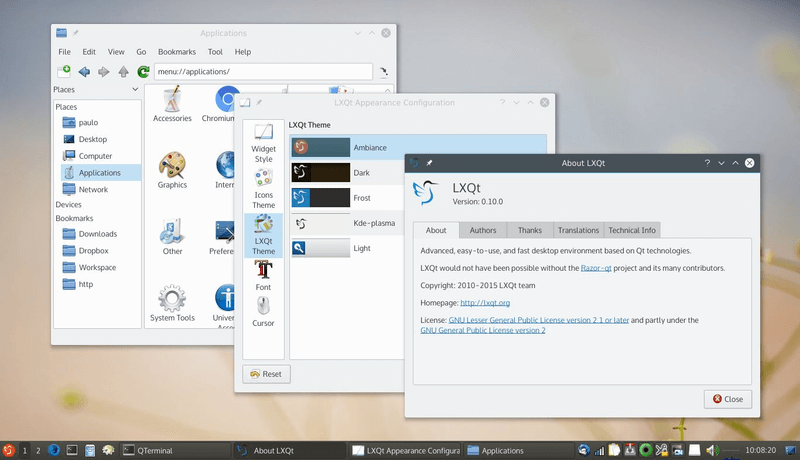
Heavy desktop environments can quietly eat resources. It might not seem like much, but every bit counts.
Switch to XFCE or LXQt
Using lightweight environments like XFCE reduces background load. Games feels smoother, even if FPS increase is small.
Disable Unnecessary Services
Background apps such as indexing services or auto updates can cause stuttering. Turn them off during gaming sessions, even though it feels risky sometimes, its worth it.
Leverage Lutris for Better Game Management
Lutris is more than a launcher. It’s a powerful ecosystem that simplifies game installation across multiple platforms.
Use Community Install Scripts
Instead of manual setups, Lutris scripts handles dependencies automatically. This saves time and reduces errors.
Explore it here:
https://lutris.net
Some scripts are not perfect, and you might face bugs, but overall it makes life easier.
Optimize Storage for Faster Load Times

Storage performance affects loading times more than many realize. Slow drives can ruin immersion, even if FPS is stable.
Use SSDs Instead of HDDs
Switching to SSD drastically improves load times. Games launches faster, textures loads quicker, and stutters reduces.
Mount with Performance Flags
Using mount options like noatime reduces unnecessary disk writes. It’s a small tweak, but helps over long sessions.
Monitor System Performance in Real Time
Without monitoring, optimization becomes guesswork. You need data, not assumptions.
Use MangoHud for Metrics
MangoHud overlays FPS, CPU usage, GPU load, and more. It gives instant feedback on changes you apply.
Installation and setup guide:
https://github.com/flightlessmango/MangoHud
Sometimes readings may look confusing, but over time you’ll understand what’s normal and what’s not.
Customize Kernel for Gaming Workloads

Advanced users often goes further by tweaking the Linux kernel itself. It sounds intimidating, but rewards can be noticeable.
Use Low Latency Kernels
Low latency or gaming optimized kernels reduces input lag and improves responsiveness. Not every system benefits equally, though.
Adjust CPU Scheduling
Tweaking CPU scheduler settings can improve consistency. It requires testing, and mistakes can cause instability, so be careful.
Final Thoughts on tech hacks pblinuxgaming
Exploring tech hacks pblinuxgaming is rarely a straight path. You try something, it breaks, you fix it, then something else stops working. That frustration is real, and honestly, we’ve all been there. But the reward when everything finally clicks is hard to describe. Games runs smoother, system feels lighter, and you know it was your effort that made it happen.
These seven hacks are not magic solutions. They require patience, testing, and sometimes failure. But that’s exactly what makes Linux gaming special. It’s not just about playing games, its about mastering your system in a way most platforms never allows.